Mapped: The Very Real Differences in Sexual Satisfaction Across the US
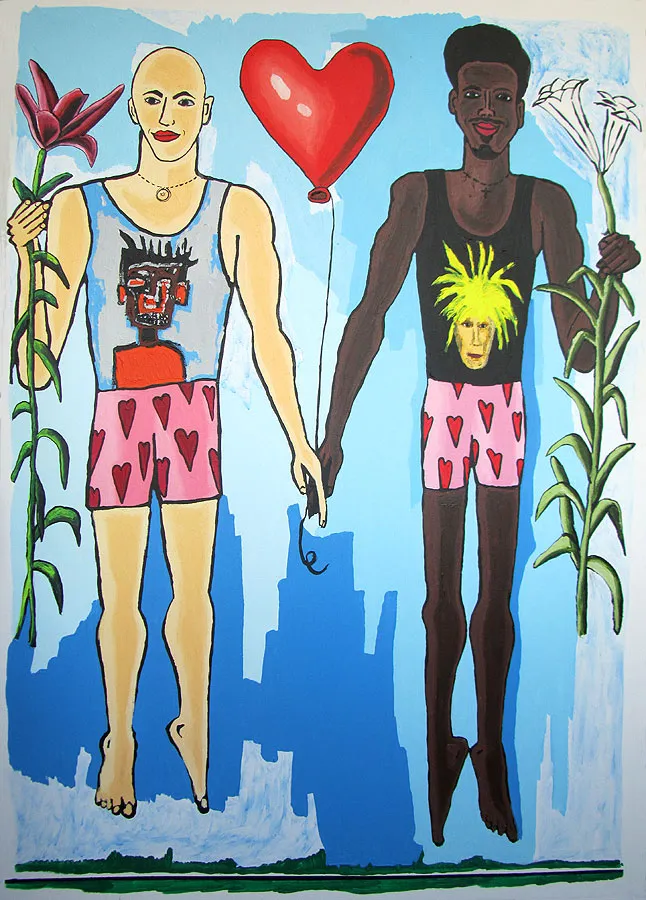
Photo: Raphael Perez Israeli Artist, CC BY 2.0, via Wikimedia Commons
Ask two Americans about their sex lives and you might get wildly different answers — not just because people are different, but because of where they live. Zip codes, it turns out, carry a lot of weight between the sheets. Regional culture, access to sex education, healthcare infrastructure, and even the density of adult retailers in a given area all feed into something researchers are increasingly calling the "pleasure geography" of the United States.
So what does that map actually look like? Spoiler: it's complicated, fascinating, and occasionally infuriating.
The Data Doesn't Lie (But It Does Surprise)
Several large-scale surveys — including data pulled from the SKYN Condoms Millennial Sex Survey, the General Social Survey, and research published in the Archives of Sexual Behavior — point to consistent regional patterns in reported sexual satisfaction. People in the Northeast and Pacific Coast tend to report higher comfort levels discussing sex openly, greater access to sexual health resources, and more frequent conversations with healthcare providers about intimacy.
Midwestern respondents, meanwhile, often report high relationship satisfaction but lower scores on sexual adventurousness and openness to experimentation. And the South? It's genuinely complicated. Some Southern metros — Atlanta, Austin, New Orleans — punch well above their regional weight when it comes to sexual openness and reported pleasure. But rural Southern communities frequently show the lowest scores for both sexual satisfaction and access to comprehensive sex ed.
Dr. Lena Marcus, a sex therapist based in Chicago, puts it bluntly: "When I talk to clients who've relocated from more sexually conservative areas, the shift in what they feel permitted to want is enormous. Culture gives us scripts. And some scripts are a lot more pleasure-friendly than others."
Why Access Is Everything
One of the starkest divides isn't about attitude at all — it's about access. States with comprehensive sex education laws (think California, New York, Colorado) show measurably higher rates of people who report knowing what they want sexually and feeling confident asking for it. That foundation, built early, seems to stick.
Contrast that with the 27 states that still don't require sex ed to be medically accurate, and you start to see how knowledge gaps become pleasure gaps. If you grew up being taught that sex is primarily about reproduction and risk, reclaiming it as a source of joy takes real work — work that many adults don't even know they need to do.
Access to sexual health clinics, LGBTQ+-affirming providers, and yes, even well-stocked adult stores also varies dramatically. Cities like San Francisco, Seattle, and New York City have entire ecosystems built around sexual wellness — from feminist sex shops with knowledgeable staff to kink-positive therapists to progressive OB-GYN practices that actually ask patients about pleasure. In contrast, someone in rural Mississippi or Wyoming may have limited or zero access to any of those resources.
The Urban-Rural Divide Is About More Than Just Politics
It's tempting to frame this as a red state/blue state story, but that's too simple. Urban areas in traditionally conservative states often mirror the sexual openness of coastal cities. Nashville has a thriving kink community. Houston has one of the most active polyamory scenes in the country. Phoenix's adult entertainment infrastructure rivals cities twice its size.
What actually predicts sexual satisfaction more reliably than political affiliation? Community and conversation. Research consistently shows that people who have even one trusted person they can talk openly to about sex — a partner, a friend, a therapist — report dramatically higher satisfaction levels. Dense urban environments tend to make those connections easier to find.
"Isolation is the real enemy of sexual wellbeing," says Dr. Marcus. "Not conservatism, not religion, not even bad sex ed on its own. When people can't talk about what they want, they stop wanting it — or they stop believing their wants are valid."
The Pleasure-Positive Pockets You Might Not Expect
Here's where the data gets genuinely interesting. Some of the highest reported sexual satisfaction scores don't come from coastal metros at all. Certain college towns — Burlington, Vermont; Boulder, Colorado; Lawrence, Kansas — consistently rank high. So do military-adjacent communities in some studies, which researchers attribute to the culture of direct communication that military life cultivates.
New Orleans deserves its own paragraph. The city's deep-rooted culture of sensuality, its historic comfort with taboo, and its dense network of sexually expressive communities (including one of the oldest leather and kink scenes in the South) make it something of an outlier in regional data. Pleasure is practically civic identity there.
What This Means for You, Wherever You Are
If you're living somewhere that doesn't exactly make sexual exploration easy, the good news is that geography isn't destiny. Online communities have done a remarkable job of democratizing access to sexual education, kink resources, and shame-free conversation. Podcasts, telehealth sex therapy, and platforms built around sexual wellness have genuinely shifted the landscape for people in underserved areas.
But the broader picture is still worth paying attention to. The pleasure gap across America is real, it's measurable, and it's largely a product of systems — not personal failure. Understanding where those gaps come from is the first step toward closing them, one conversation at a time.
Your zip code shaped your sexual script. That doesn't mean you have to keep reading from it.