Stop Waiting for the Mood to Strike — Schedule the Sex and Watch Everything Change
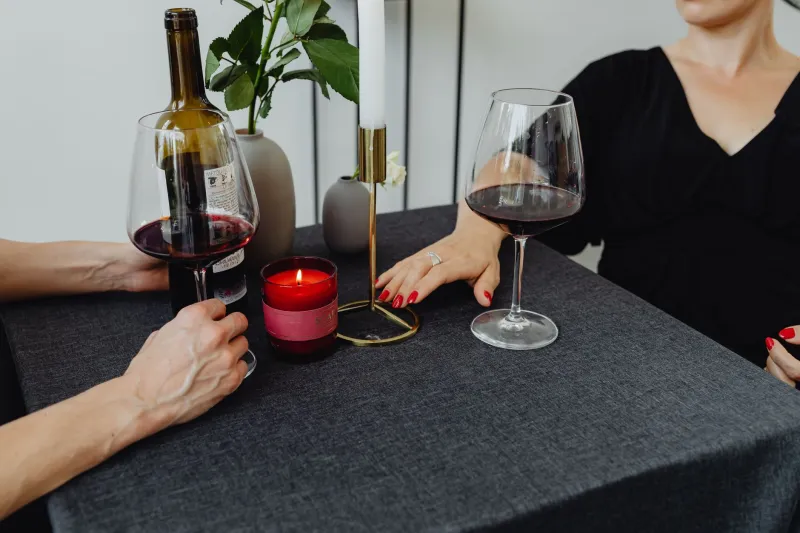
There's a particular kind of romantic mythology most of us grew up absorbing — the idea that desire is supposed to arrive like a thunderstorm. Sudden, electric, impossible to ignore. You don't plan a thunderstorm. You don't pencil it in between the gym and grocery pickup. It just happens, and that's the whole point.
Except here's the thing: for most adults living real, complicated, overscheduled American lives, waiting for the thunderstorm means waiting a very long time. And in the meantime, intimacy quietly slides down the priority list until it's somewhere below "respond to that email" and "figure out what's making that noise in the car."
So what if the thunderstorm model is just... wrong? What if the couples actually thriving in their sex lives aren't the ones waiting for magic — they're the ones making reservations?
The Spontaneity Myth and Where It Came From
Blame movies. Blame romance novels. Blame whatever cultural programming convinced us that desire is only "real" if nobody saw it coming. The spontaneous-sex ideal is deeply embedded in how Americans think about intimacy, and it does a quiet kind of damage — because when scheduled sex gets framed as a consolation prize, couples stop even considering it as a tool.
But researchers who actually study sexual satisfaction have been pushing back on this for years. Studies consistently show that responsive desire — the kind that gets sparked by context, anticipation, and intention rather than appearing out of nowhere — is far more common than spontaneous desire, especially for women and for people in long-term relationships. You're not broken if you don't wake up every morning burning with unplanned lust. That's just how desire actually works for most people most of the time.
The thunderstorm isn't the norm. It's the exception. And building your entire intimate life around exceptions is a losing strategy.
What Scheduling Actually Does to Your Brain
Here's where it gets interesting. When you set a date — a real one, marked on the calendar, mutually acknowledged — something shifts in how your brain processes the upcoming encounter. Anticipation kicks in. And anticipation, it turns out, is basically foreplay with a longer runway.
Think about it like this: you know that low-level buzz you get when you're looking forward to something genuinely good? A concert, a trip, a really excellent meal at a place you've been wanting to try? That feeling isn't incidental — it's your nervous system warming up, priming you for an experience worth having. Sex works the same way.
When Thursday night is the night, Wednesday afternoon carries a different texture. You might find yourself thinking about your partner differently, noticing them, feeling a pull toward them that wouldn't exist if the whole thing were left to chance. That's not manufactured desire — that's real desire, grown deliberately.
The Conversation You're Probably Not Having
Scheduling sex also creates a natural opening for something most couples are terrible at: talking about what they actually want.
When intimacy is spontaneous, there's often a kind of performance pressure baked in — neither person wants to disrupt the moment with logistics or requests. So things stay comfortable, familiar, maybe a little stale. But when you've got a date on the calendar and a few days to think about it, suddenly there's room for a different kind of conversation.
What are you in the mood for this week? Is there something you've been thinking about trying? What made last time really good for you?
These aren't awkward clinical questions when there's no immediate pressure attached. They're just... talking. And couples who talk about sex outside of sex report significantly higher satisfaction than those who don't. The calendar date isn't just a scheduling mechanism — it's a communication catalyst.
Objection: "But It Feels So Unromantic"
Fair. This is the most common pushback, and it deserves a real answer.
The "unromantic" feeling comes from that same cultural script — the one that says planning kills passion. But consider what's actually romantic: a partner who prioritizes your intimacy enough to protect time for it. A relationship where desire is treated as something worth tending rather than something to be seized in random gaps between responsibilities. An encounter where both people showed up wanting to be there, having thought about it, maybe even dressed for it.
That's not clinical. That's care made physical.
Also — and this is worth saying plainly — the sex you have when both people are rested, mentally present, and actually prepared for it tends to be better than the sex you have at 11pm when you're both exhausted and one of you technically has an early call. Spontaneous doesn't automatically mean good. It just means unplanned.
Making It Work Without Making It Weird
If you want to try this without it feeling like a board meeting, a few things help:
Keep it loose enough to breathe. "Saturday evening, sometime after dinner" is a date. You don't need a time slot and agenda items.
Build in the anticipation on purpose. Send a text Thursday. Say something Thursday night. Let the date exist in the space between you before it arrives.
Talk about it beforehand, not just during. Ask what your partner's been thinking about. Share something you want to try. Make the conversation part of the experience.
Don't treat it like a performance review. The goal isn't to execute perfectly — it's to show up intentionally and see what happens when two people are actually present with each other.
Let it evolve. Some couples schedule weekly. Some do it monthly. Some pick a recurring night and protect it like a standing reservation at their favorite restaurant. Find the rhythm that fits your actual life, not someone else's ideal.
The Bigger Shift
At its core, scheduling sex is a statement about priorities. It says: this matters enough to protect. Your connection, your pleasure, your partner's desire — these things deserve dedicated space, not just the leftover minutes at the end of a long day.
American culture is exceptionally good at optimizing for productivity while quietly letting intimacy erode. We schedule workouts, therapy appointments, happy hours, and dinner reservations without any sense that we're killing the magic. But suggest putting sex on the calendar and suddenly everyone's a romantic purist.
Maybe the real question isn't whether planning is romantic. Maybe it's whether you're serious enough about your pleasure — and your partner's — to actually make space for it.
The thunderstorm might still show up sometimes. But you don't have to wait around hoping. You can build something better on purpose.